
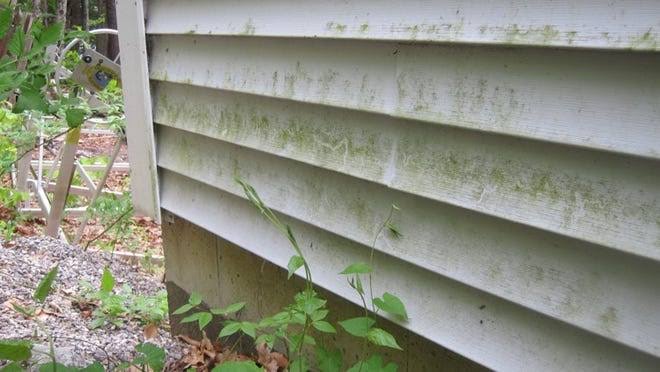
Have you noticed green streaks or patches spreading across your siding? You’re not alone. Green algae on house exterior surfaces is one of the most common issues we see across Florida homes. And while it looks unsightly, the good news is that it’s completely explainable, and just as treatable.
In this guide, Perfect Pressure Cleaning breaks down exactly what causes green algae on house exterior surfaces, whether it’s actually harmful, and how to remove and prevent it for good. So, by the end, you’ll know exactly what’s happening on your siding — and what to do next.
Key Takeaways
- Green algae on house exterior surfaces is caused by moisture, shade, and humidity working together.
- Algae differs from mold, mildew, and lichen, though they’re often confused with one another.
- Left untreated, algae can trap moisture against siding and shorten its lifespan.
- Soft washing, not high-pressure washing, is the safest way to remove algae without damaging your siding.
- Preventing regrowth comes down to sunlight, drainage, and a regular cleaning schedule.
What Is That Green Growth, Exactly?
Before treating it, it helps to know what you’re actually dealing with. Algae, mold, mildew, and lichen all get lumped together, but they’re not the same thing.
- Algae: A plant-like organism that thrives on moisture and appears as green or greenish-black patches
- Mold and mildew: Fungi that typically grow indoors or in deeply shaded, damp areas
- Lichen: A crusty, often gray-green growth that bonds tightly to surfaces
- Black streaks: Usually a different organism (Gloeocapsa magma), more common on roofs than siding
So, if what you’re seeing is green and spreading across siding or stucco, it’s most likely algae. Next, let’s look at why it shows up in the first place.
What Causes Green Algae on Your House Exterior?
Algae needs three things to grow: moisture, shade, and time. So, once those conditions line up, it spreads quickly.
Shade and Lack of Sunlight
Shaded areas stay damp longer. As a result, algae has more time to establish itself before sunlight can dry the surface out.
Humidity and Moisture
Florida’s humidity keeps exterior surfaces damp for much of the year, which creates ideal conditions for algae growth on siding.
Poor Drainage or Standing Water Near the Foundation
If water pools near your home’s base, that consistent moisture climbs up siding and feeds algae growth.
Tree Cover and Overhanging Branches
Trees block sunlight and trap moisture underneath, which is why algae often appears first near heavy landscaping.
Ready to Get Rid of That Green Algae?
North-Facing Walls
Because north-facing walls receive the least direct sunlight, they tend to develop algae growth faster than other sides of the house.
Siding Material
Algae on stucco and algae on vinyl siding are both common, since porous or textured surfaces hold moisture more easily than smooth ones.
Is Green Algae on Your House Exterior Harmful?
Mostly, algae is a cosmetic issue rather than a health hazard. However, that doesn’t mean it’s harmless long-term.
Trapped moisture: Algae holds water against the surface, which can slowly degrade paint, stucco, or siding material.
Reduced curb appeal: Green streaks are one of the fastest ways a home starts looking neglected, even if everything else is well maintained.
Resale concerns: Buyers often read algae as a sign of deferred maintenance, even when the issue is purely surface-level.
So, while it isn’t an emergency, addressing it sooner rather than later protects both your siding and your home’s appearance.
How to Remove Algae From Your House Exterior Safely
It’s tempting to reach for a pressure washer and blast the algae away. But high pressure can strip paint, crack stucco, or force water behind siding panels — creating a bigger problem than the algae itself.
Instead, soft washing is the method we — and most exterior cleaning professionals — recommend. It uses low pressure combined with an algae-killing solution, which removes growth at the root without damaging the surface. For a deeper comparison, see our “When to Use Soft Washing Vs Pressure Washing?” guide.
And if algae has spread alongside mold or mildew, our post on “How Pressure Cleaning Can Help You Deal with Mold and Mildew” covers that combination in more detail.
Our Pressure Cleaning is built specifically for algae, mold, and mildew removal, without putting your siding at risk.
How to Prevent Algae From Coming Back
Removing algae is only half the job. Preventing regrowth is what actually protects your investment.
- Trim trees and shrubs to increase sunlight and airflow around your home
- Redirect sprinklers away from siding and toward the lawn instead
- Improve drainage near the foundation to reduce standing moisture
- Ask about algae-resistant siding options if you’re planning a renovation
- Stay on a routine soft washing schedule, rather than waiting until growth is visible
How Often Does Algae Grow Back After Cleaning?
Generally, it depends on your home’s exposure. Shaded, humid, or north-facing areas tend to regrow algae faster, sometimes within a year. Sunnier, well-drained areas often stay clean for two years or more. Either way, a consistent maintenance schedule keeps growth from getting out of hand.
Ready to Get Rid of That Green Algae?
When to Call a Professional
If algae covers a large area, keeps returning quickly, or your home has multiple stories, it’s usually time to bring in a professional. A pro brings the right pressure, the right solution, and the safety equipment DIY methods often lack.
Our Roof Cleaning covers exactly this kind of exterior cleaning your roof needs.
Get a Free House Washing Quote
Perfect Pressure Cleaning provides algae removal and house washing quotes across Jupiter, West Palm Beach, Palm Beach Gardens, Stuart, and the surrounding Palm Beach County area. So, whether your siding is stucco, vinyl, or wood, our team knows how to clean it safely and thoroughly.
Frequently Asked Questions
What causes green algae on a house exterior?
Green algae grows from a combination of moisture, shade, and humidity. Homes with heavy tree cover, poor drainage, or north-facing walls tend to develop algae faster than sunnier, well-drained exteriors.
Is green algae on my house dangerous?
Algae isn't typically a health hazard, but it's not harmless either. Left untreated, it traps moisture against your siding, which can gradually damage paint, stucco, or the surface underneath.
Can algae damage house siding?
Yes, over time. Algae holds moisture against the surface, which can degrade paint and siding material. Removing it early helps protect your home's exterior from longer-term damage.
What's the best way to remove algae from a house exterior?
Soft washing is the safest method. It uses low pressure and an algae-killing solution to remove growth at the root, without the damage risk that comes with high-pressure washing.
How do I stop algae from coming back?
Trim trees for more sunlight, redirect sprinklers away from siding, and improve drainage near your foundation. Pairing these steps with routine soft washing keeps algae from returning quickly.
Let Us Handle the Green Algae for You
Green algae doesn’t have to be a recurring headache. With the right cleaning method and a bit of prevention, your siding can stay algae-free for good. Contact us today for a free quote, and let the Perfect Pressure Cleaning team restore your home’s exterior safely.